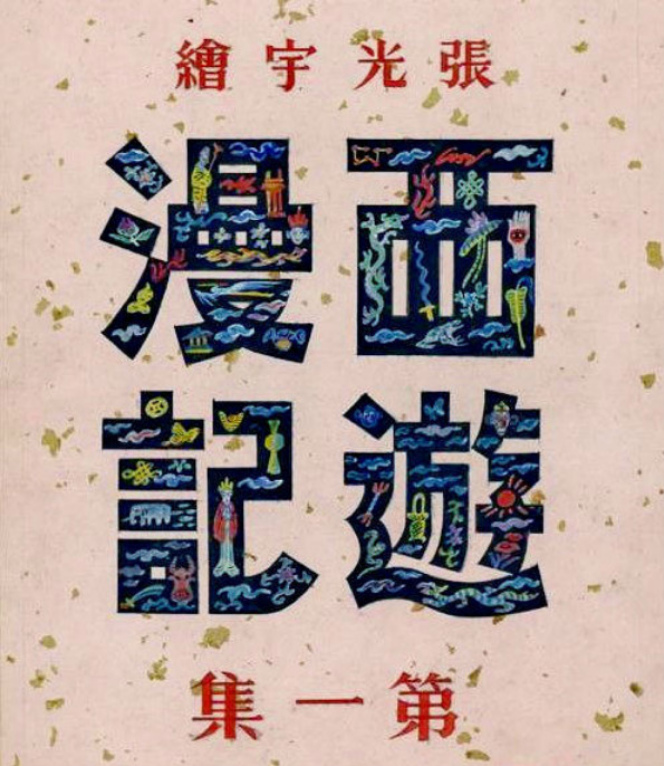
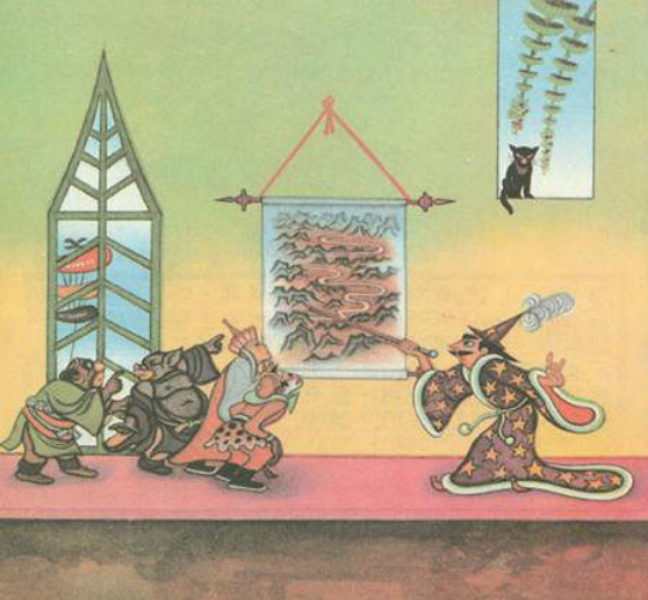
Zhang Guangyu's Journey to the West (1945) 西游漫记
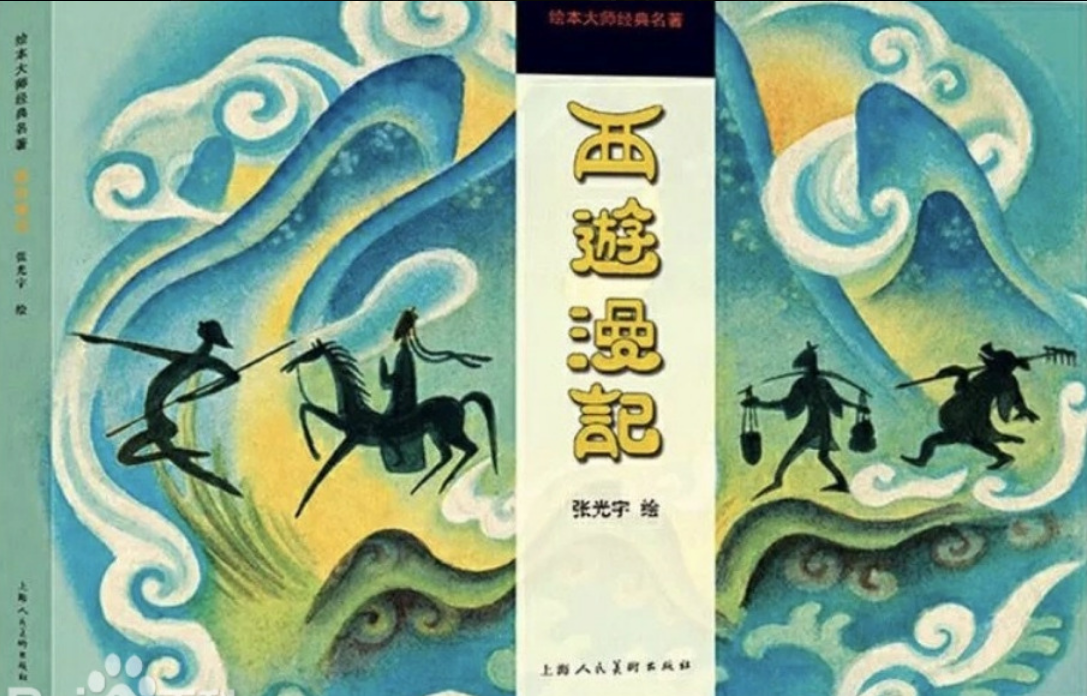
Author: Zhang Guangyu
Illustrator: Zhang Guangyu
Publisher: Sino-Soviet Cultural Association
Format: Paperback
Date: August, 1945
Number of issues: 10
Pages: 60
Language: Chinese
Adaptation: Modern
Summary:
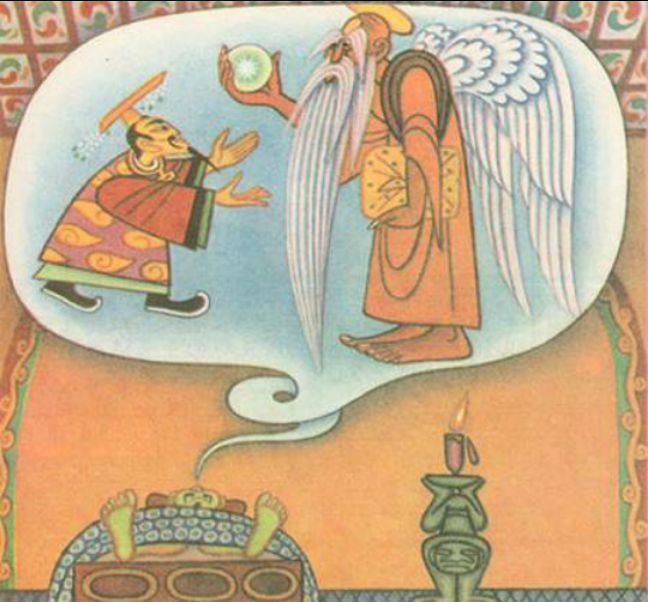
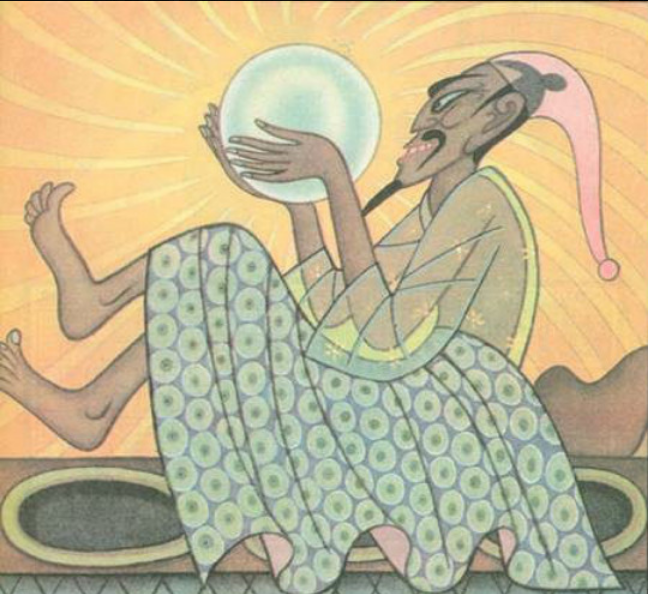
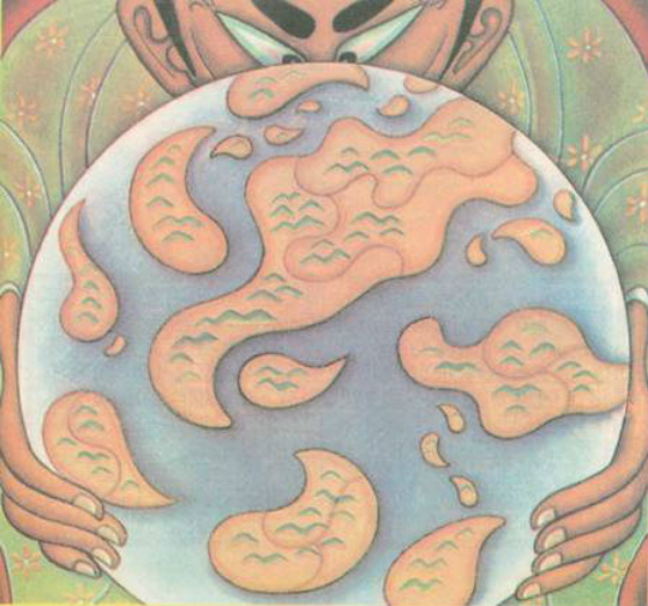
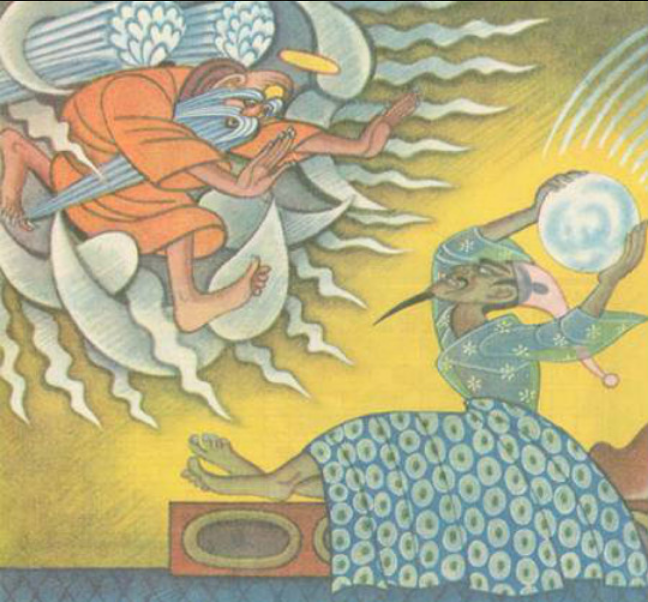
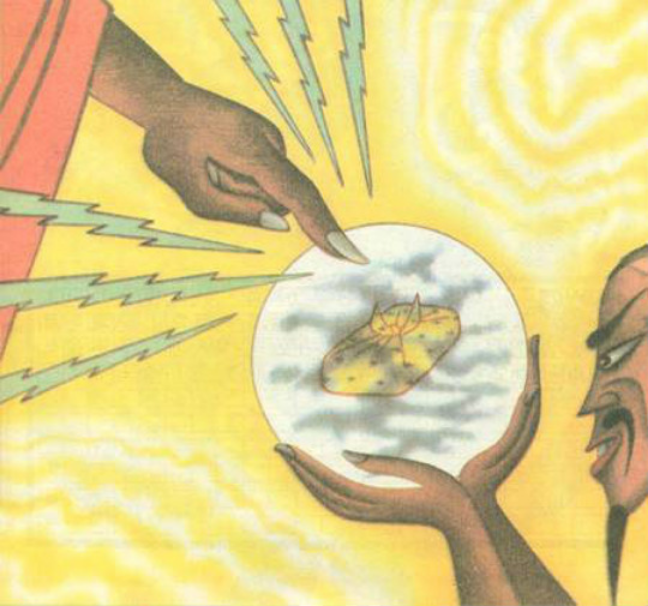
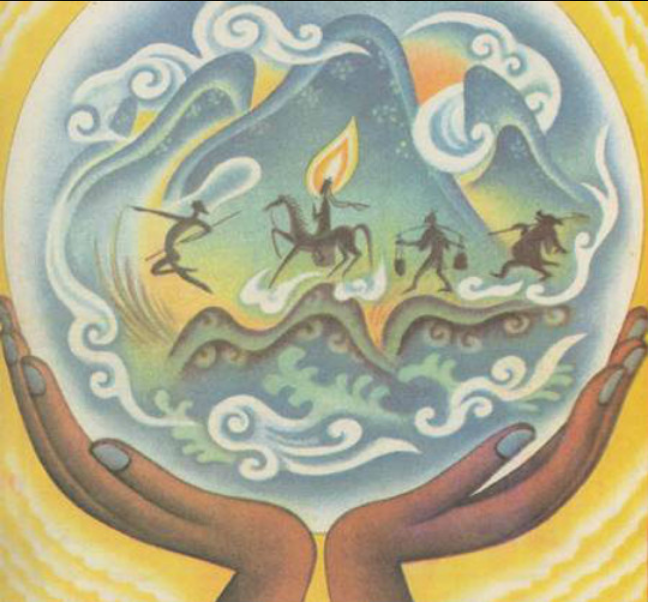
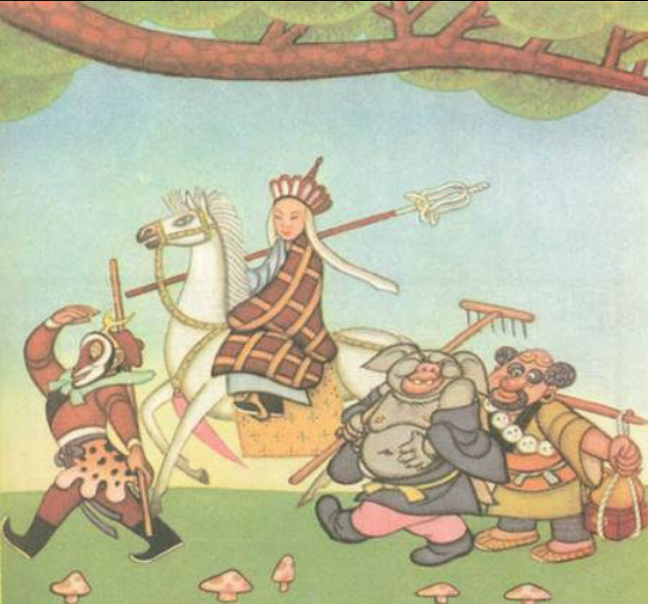
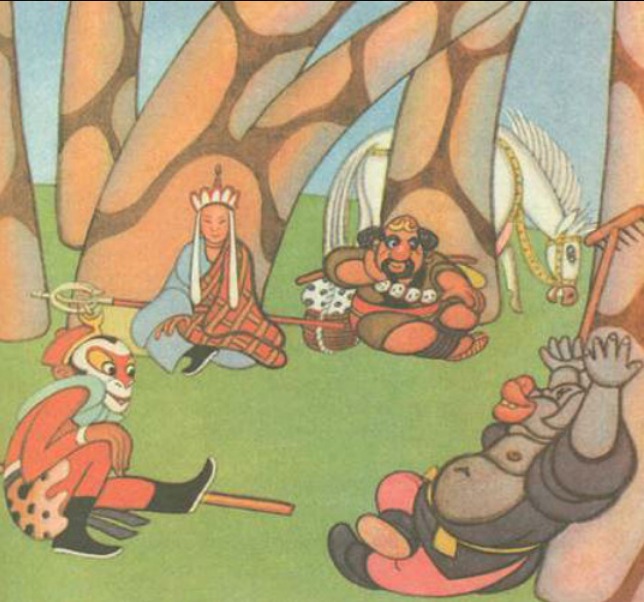
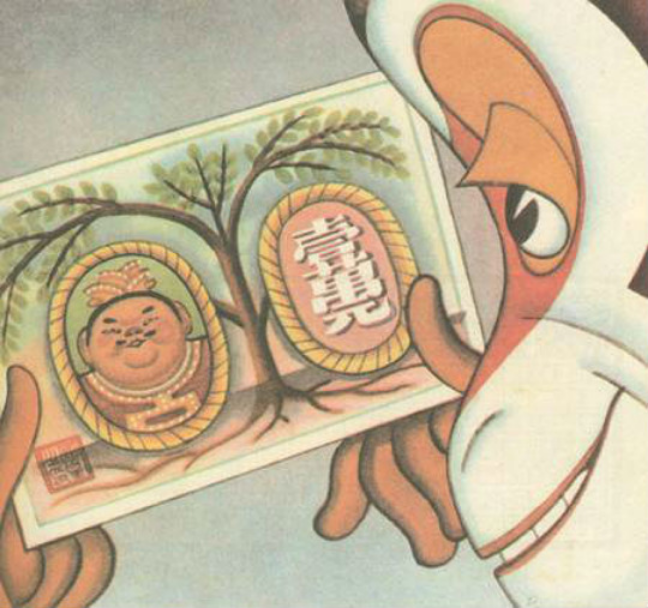
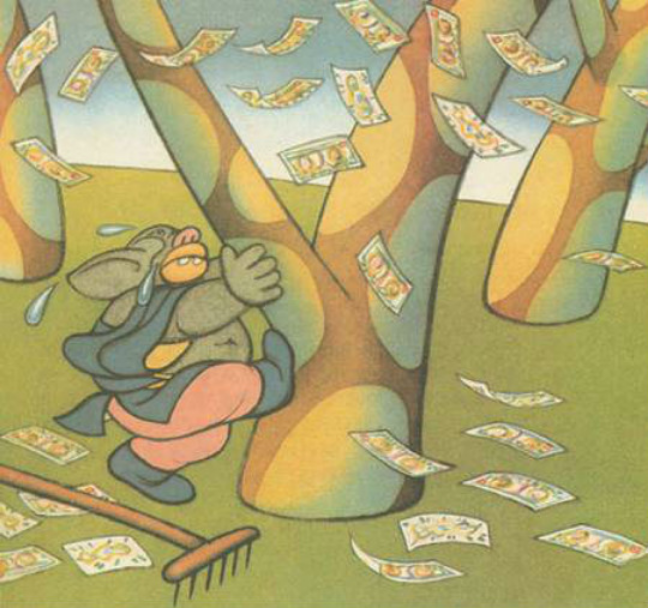
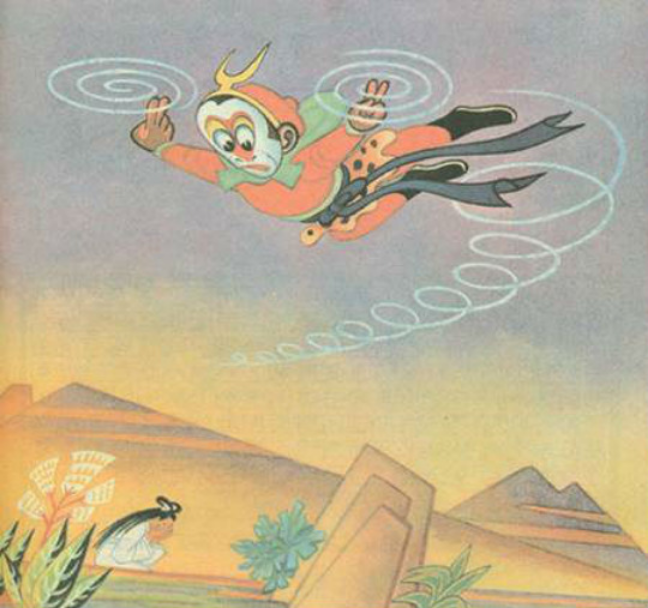
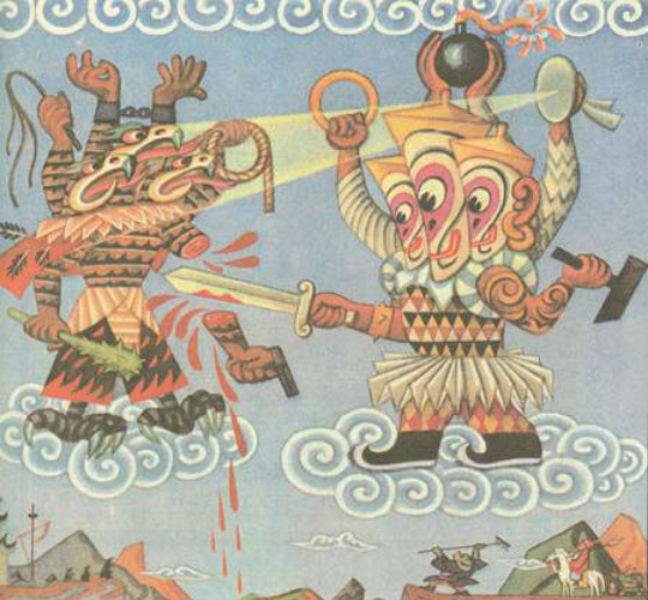
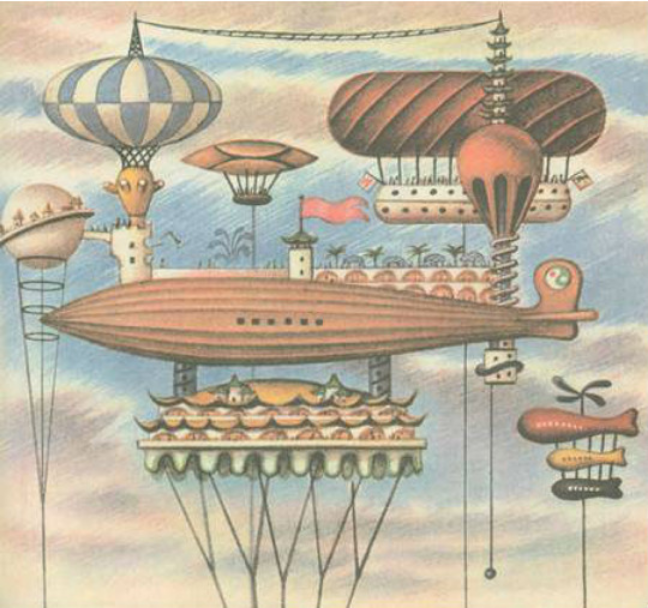
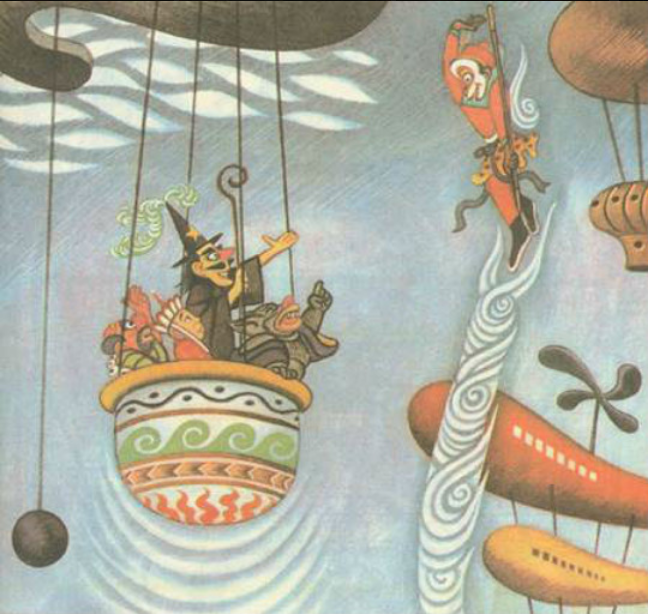
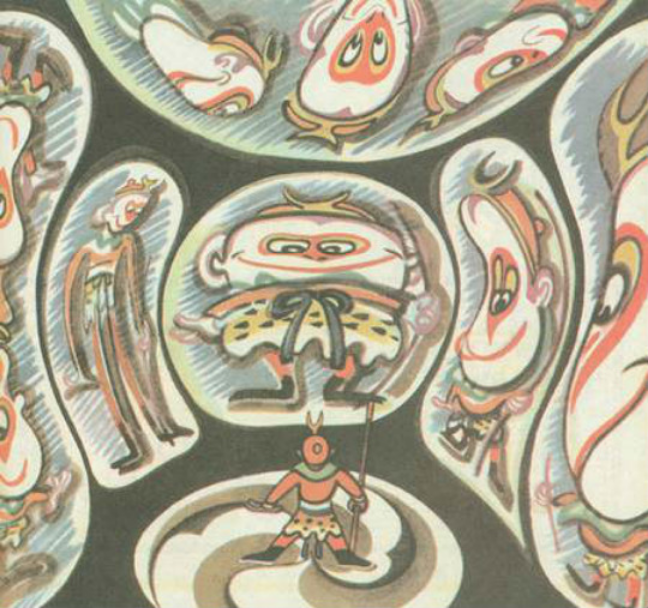
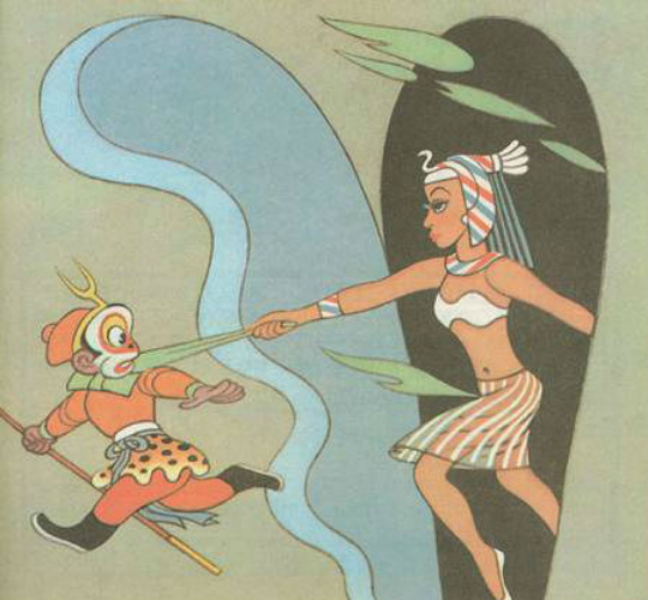
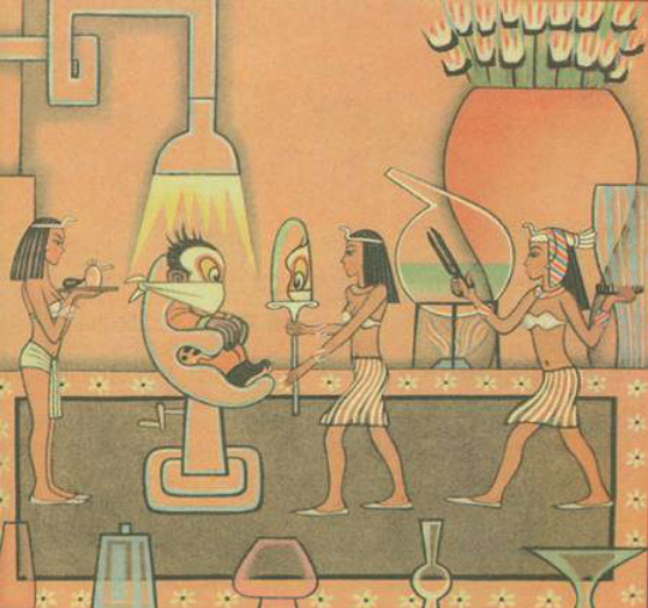
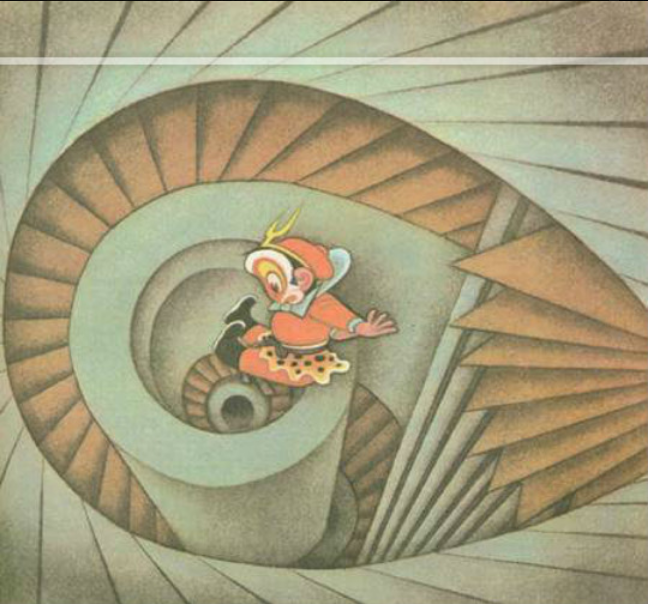
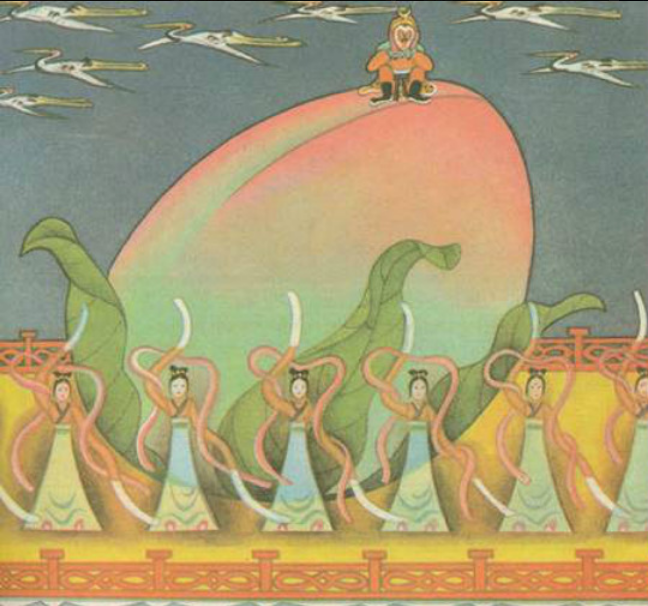
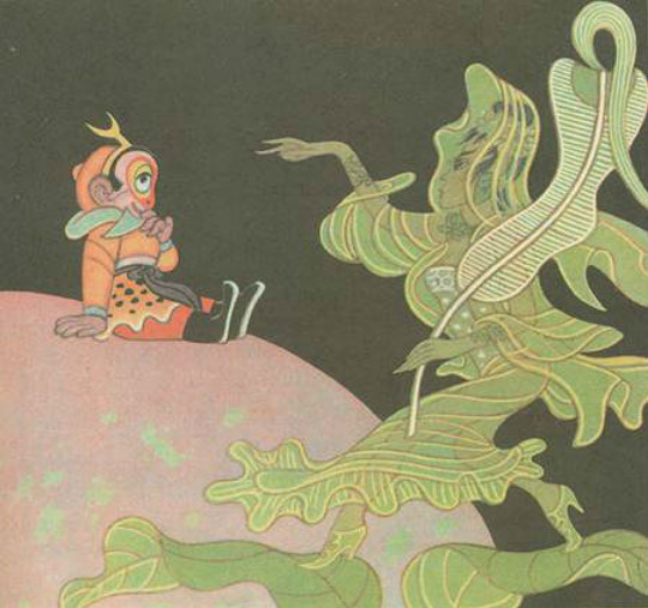
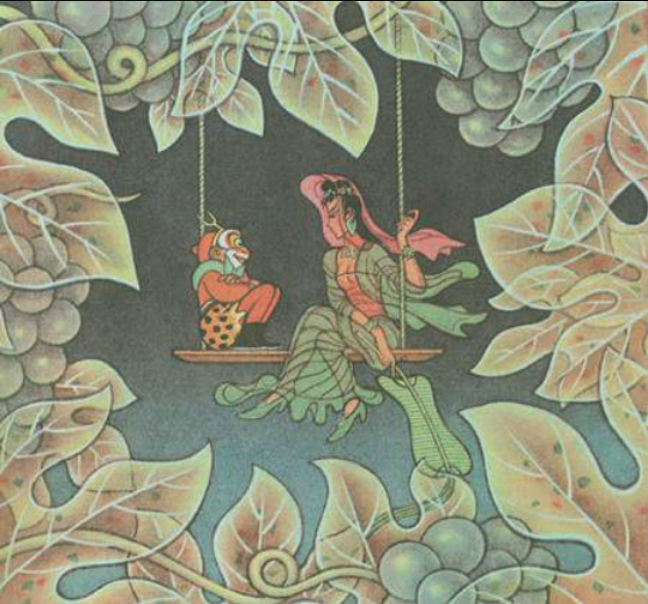
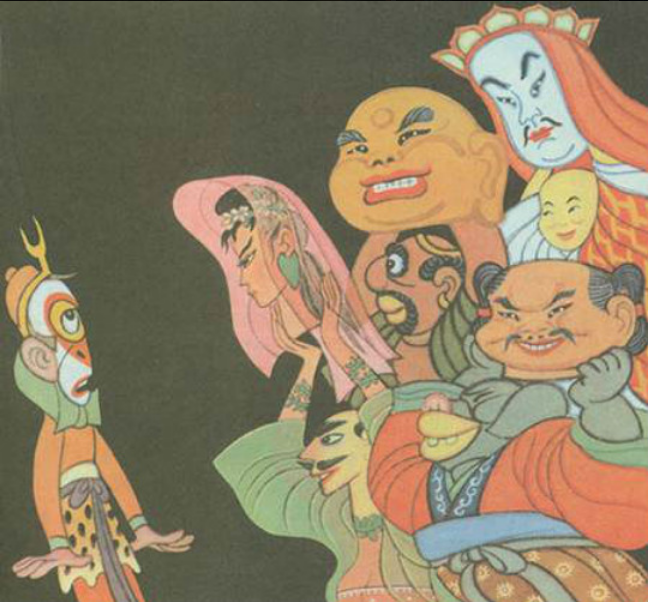
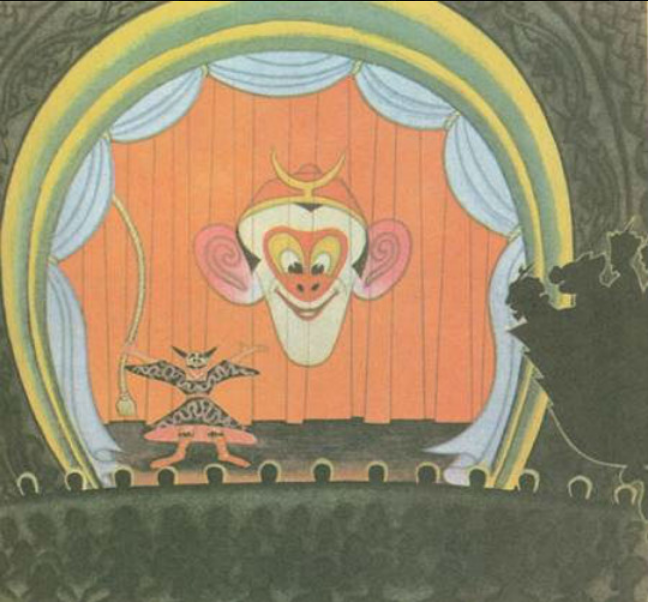
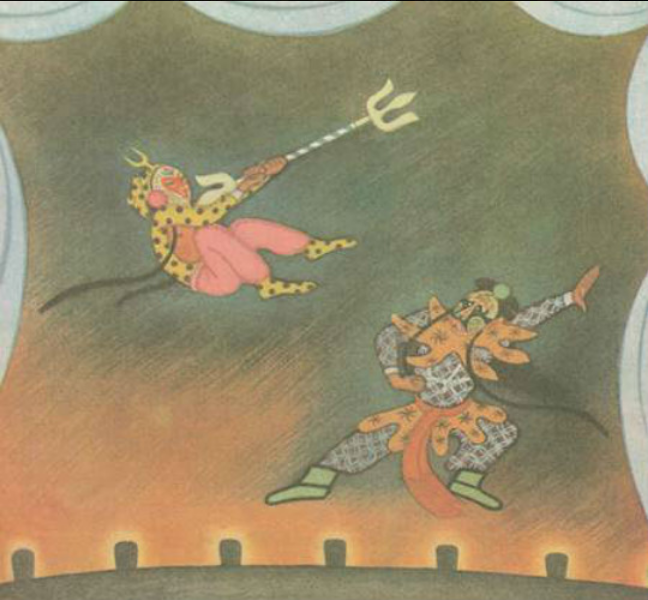
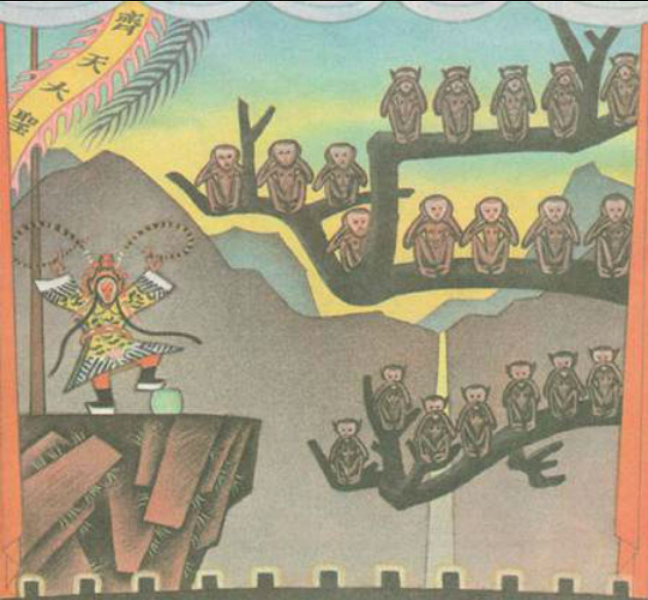
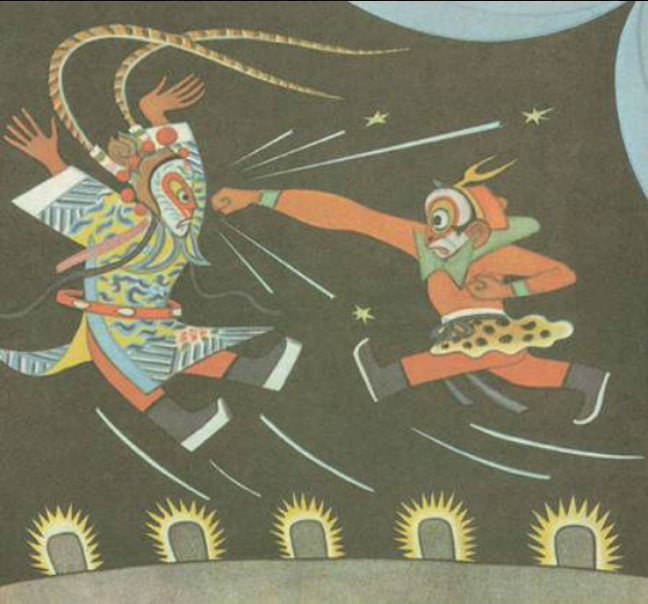
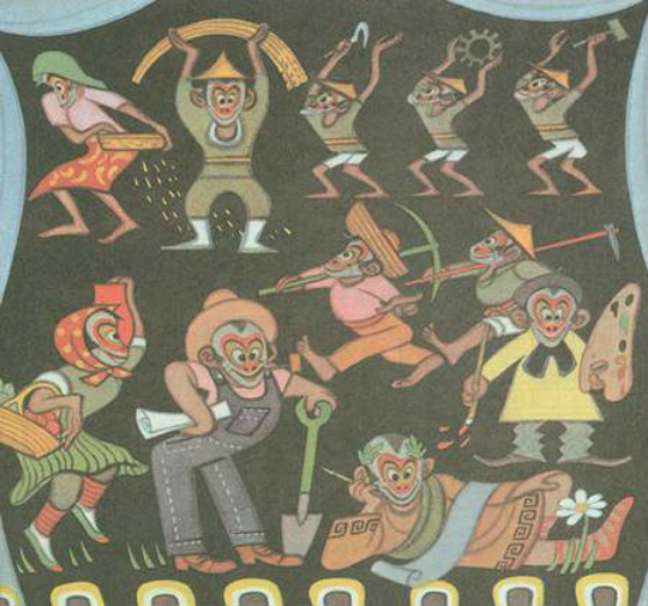
Journey to the West: A Cartoon Chronicle (Xiyou Manji) is a series of color cartoons created by artist Zhang Guangyu in the autumn of 1945 while he was taking refuge in Chongqing; the work took four months to complete. During the summer and autumn of 1945, having traveled from Guilin to Beibei, Chongqing, to escape Japanese bombing raids, Zhang Guangyu began creating the series using a makeshift drawing board fashioned from his luggage trunks. At the time, the Nationalist government had tightened its censorship of cartoons; consequently, the artist adopted a metaphorical approach rooted in mythology to expose social realities. Structured in the traditional episodic format, the work consists of 10 chapters comprising 60 individual illustrations. It borrows the narrative framework of Journey to the West to construct fictional realms—such as the "Kingdom of Paper Money" and the "Kingdom of Aiqin"—thereby satirizing the social conditions prevalent in Nationalist-controlled territories during the late stages of the War of Resistance, including rampant inflation, the unchecked power of secret police, and ideological control. Although completed after Japan’s announcement of surrender, the work reflects the creator’s keen foresight regarding the emergence of new crises, using these fictional kingdoms to allegorize the chaos that ensued during the reoccupation of previously occupied territories. The demons and monsters encountered by the four protagonists often serve as allegorical representations of real-world power brokers; for instance, the figure of the Jade Emperor symbolizes the bureaucratic apparatus, while the depiction of Erlang Shen draws upon the aesthetics of folk deities yet subtly incorporates the distinctive traits of secret police agents.
The work synthesizes a diverse array of visual elements—including Peking Opera facial makeup, traditional folk New Year prints, and Egyptian art—employing decorative compositions and vibrant colors to forge a unique artistic style. The series premiered in December 1945 at the Sino-Soviet Cultural Association in Chongqing; the three-day exhibition attracted an average daily attendance of over a thousand visitors, though several original illustrations were stolen during the event and subsequently had to be redrawn. The following year, when exhibited in Shanghai, the work was banned by authorities on the grounds that it "disrupted social order." It was not until 1957, when the series was re-exhibited at the Beijing Art Gallery, that it garnered significant attention within the art world. In 2020, the exhibition "Zhang Guangyu Art: 12 Sparks" presented a complete display of all 60 original illustrations.
Source: https://baike.baidu.com/item/%E8%A5%BF%E6%B8%B8%E6%BC%AB%E8%AE%B0/60699999